
Students
Every child develops at a different rate and thrives under different circumstances.
Supporting them comes not from focusing on where they should be - but with meeting them where they're at.
Childhoods aren’t what they used to be.
Shaped by increasing academic demands, social pressures and a fast-paced, highly-connected world – children today are experiencing higher levels of stress than ever before. As of 2021, the World Health Organisation suggested that around 1 in 7 kids globally experience a mental health disorder, with anxiety and depression among the most common concerns. At the same time, learning challenges such as dyslexia, ADHD and other neurodevelopmental differences affect an estimated 10–15% of school-aged children. These difficulties often coexist, making it even more important to understand the full picture of a child’s needs.
When challenges go unrecognised, they can impact not only academic progress but also self-esteem, behaviour and overall wellbeing. Children may begin to feel misunderstood or discouraged and what starts as a manageable difficulty can grow into more complex concerns over time. In increasingly-competitive educational environments, these struggles can be further amplified if the right support is not in place.
Early identification and intervention are key. When children’s strengths and needs are clearly understood, targeted support can be put in place at the right time—helping them build confidence, develop effective learning strategies and experience success both in and out of the classroom.

Academic
Every child learns differently and understanding how a child is functioning academically is key to supporting their success in school.
For some students, difficulties in areas such as reading, writing or mathematics may not be immediately obvious, and research suggests that a significant proportion of children with learning difficulties remain unidentified or unsupported in mainstream classrooms.
In the wake of recent global disruptions to education, there is also growing evidence of “learning loss,” with many students performing below expected levels in core academic skills – further increasing the risk that underlying needs may go unnoticed.
Our assessments are designed to help parents obtain a multi-faceted view of a child’s learning ability.
We provide a comprehensive profile of a child’s intellectual and academic functioning, as well as identifying motivating factors which directly impact upon their performance.
This information is invaluable in guiding targeted interventions, informing teaching strategies and ensuring that support is appropriately matched to each student’s needs. It can also play a crucial role in securing Access Arrangements for examinations – such as extra time, rest breaks or the use of assistive technology – so that students are able to demonstrate their knowledge and abilities more fairly.
Intelligence
The intelligence assessment utilises a globally-recognised psychoeducational tool which can be used to identify intellectual giftedness, learning disability and cognitive strengths and weaknesses starting at 6 years of age.
Academic Achievement
This assessment identifies strengths and weaknesses in reading, language and numerical attainment for children aged 4 years and above.
Attention Span
An evaluation which measures difficulties pertaining to inattentiveness, impulsivity, sustained attention and vigilance in children aged 4 and older.
Interest & Skill
For teens aged 15 years and above, this measure reflects the individual’s degree of attraction to specific areas – useful in helping students and adults in educational settings pinpoint areas of academic study that can build skills and, as a result, increase career options.
Neurodevelopmental
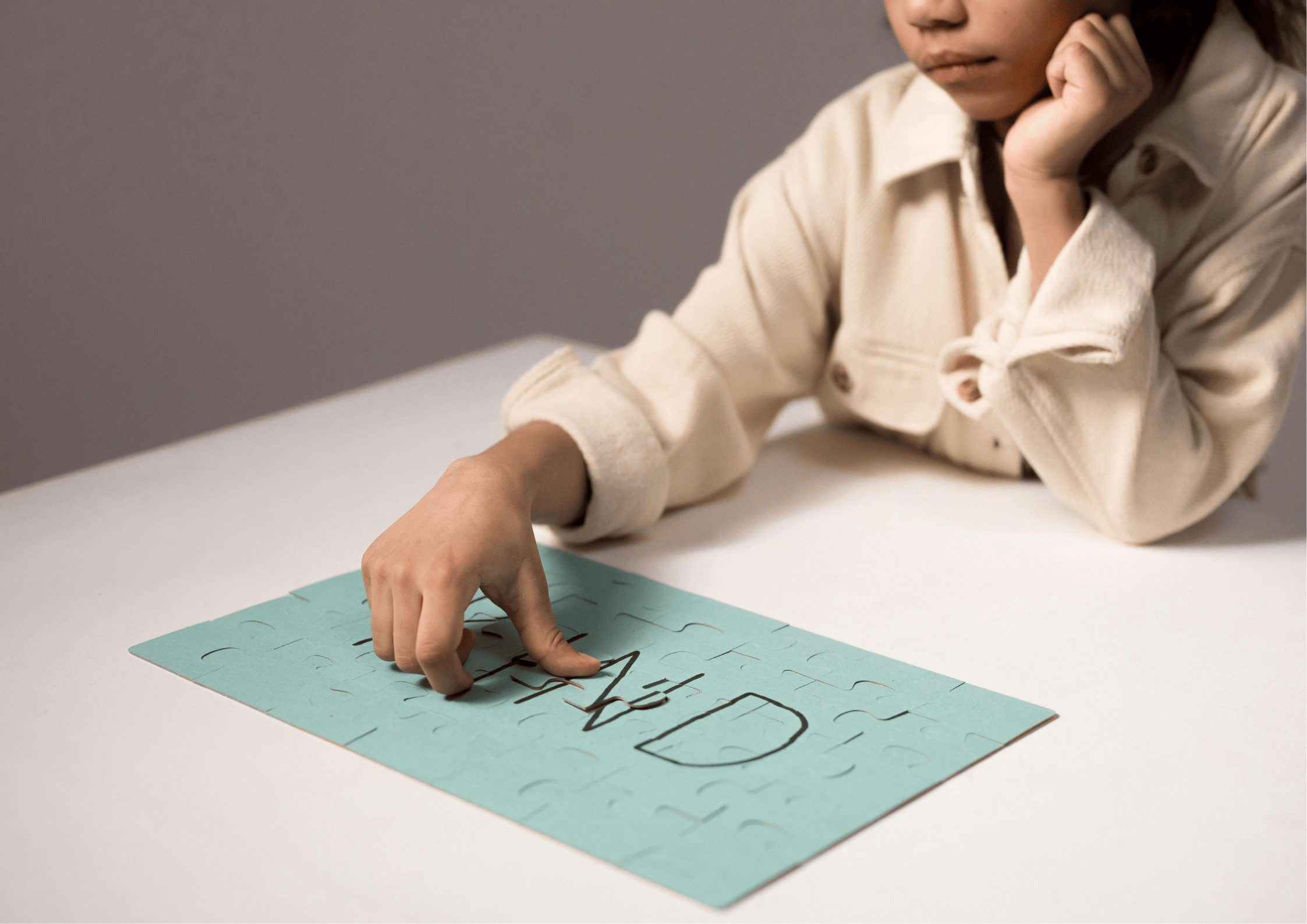
Neurodivergence is increasingly recognised as a common part of the student population, encompassing conditions such as Autism Spectrum Disorder (ASD), Attention-Deficit/Hyperactive Disorder (ADHD) and specific learning difficulties like Dyslexia.
Current estimates suggest that around 1–2% of children are diagnosed with ASD, 5–7% with ADHD and up to 10–15% experience some form of learning difficulty – meaning a substantial proportion of school-aged children require additional support to access learning effectively.
In the classroom, these differences can affect attention, processing speed, social communication, emotional regulation and academic performance. As a result, students may experience frustration, low self-esteem or anxiety, particularly when their needs are not well understood.
Despite this, many neurodivergent children remain under-identified or do not receive adequate support in school settings. Without appropriate intervention, these students are at increased risk of developing secondary difficulties – including heightened anxiety, depression, behavioural challenges and broader mental health concerns.
Early recognition and targeted support are therefore critical—not only to improve academic outcomes, but also to safeguard emotional wellbeing and promote more positive long-term developmental trajectories.
ASD Screening
A standardised assessment tool used to identify behaviours and characteristics commonly associated with ASD in children and adolescents aged 2-18 years.
ADHD Screening
A comprehensive, standardised assessment used to evaluate attention-related difficulties and behaviours associated with ADHD in children and adolescents 6-18 years of age.
Dyslexia Screening
A standardised screening tool used to identify children and adolescents who may be at risk of dyslexia in children between the ages of 6 years 6 months and 16 years 6 months.
This assessment evaluates key underlying skills associated with literacy development, such as phonological awareness, memory, processing speed and sequencing.

Mental Health
Mental health challenges can have a profound impact on children and adolescents – influencing not only how they feel, but also how they think, learn and interact with others. Difficulties such as anxiety, low mood or emotional dysregulation may present as changes in behaviour, reduced concentration, academic decline or withdrawal from social activities.
Globally, it is estimated that around 14% of people aged 10-19 experience a mental health disorder, with many conditions first emerging before the age of 14. Some studies suggest that up to 50% of lifetime mental health conditions begin by the mid-teen years, and around 75% by the early twenties, highlighting just how early these challenges can take hold.
Comprehensive assessments play an important role in identifying these difficulties early and accurately. By providing a structured understanding of a young person’s emotional, behavioural and cognitive functioning, assessments can help uncover underlying concerns that may not always be immediately visible. This clarity allows for targeted support and interventions – helping young people develop resilience, improve wellbeing and better engage with their learning and everyday lives.
Personality
Designed for children aged 13 years and above, the personality test is a brief self-report inventory designed specifically to assess adolescent personality characteristics – including coping styles, expressed concerns and behavioural patterns.
Psychopathology
This standardised psychological assessment is designed to evaluate emotional and personality functioning in young people – and is intended for individuals aged 9 to 19 years.
These tools provide insight into a young person’s personality patterns, coping styles and potential clinical concerns such as anxiety, depression, behavioural difficulties and interpersonal challenges.

Intervention
Securing the right intervention is essential as timely and targeted support can significantly influence their progress and overall wellbeing.
When a child’s needs are clearly understood, interventions can be tailored to address not only areas of difficulty but also to build on their strengths, fostering confidence and long-term resilience.
At Synnea, we offer a range of evidence-based support services, such as:
- Cognitive Behavioural Therapy (CBT)
- Speech and Language Therapy
- Learning Support
Contact us to know more.
FAQ
Why would an assessment be beneficial for my child?
Our assessment creates a comprehensive profile of a child’s intellectual and academic functioning, as well as identifying motivating factors which directly impact upon their performance. This information will allow you and your child’s school to appropriately address any issues which may hinder them.
Can these assessments diagnose learning difficulties or neurodevelopmental disorders?
No. Whilst the findings on some of the measures might indicate a heightened risk for these conditions, the goal of our assessment program is not to diagnose any underlying psychopathology.
Will I get a report?
Yes. A summary report will be issued within 3 weeks from the date of testing. Comprehensive reports are available upon request at an additional cost.
What can I do with my child's assessment report?
Reports can be used to explore custom learning strategies – or more commonly referred to as Individualised Education Plans (IEPs) – with your child’s school, and subsequently utilised to request Access Arrangements with governing exam boards.
Should your child require therapeutic intervention (ie. Occupational Therapy, Speech and Language Therapy, etc.), reports will provide a valuable resource for curating those plans.
Can assessments be done virtually?
Unfortunately, all assessments can only be carried out in-person.
How long does each assessment take?
Anywhere from 90 minutes to 3 hours.